
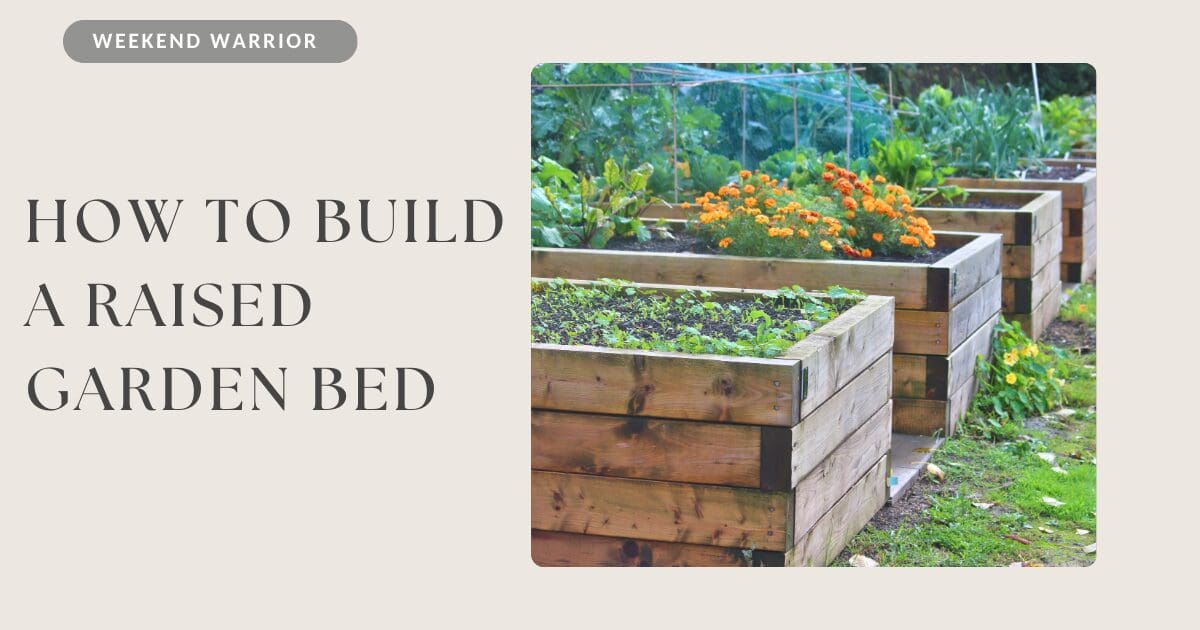
There is something deeply satisfying about stepping into your backyard, clipping fresh herbs for dinner, and knowing you grew them yourself. A raised garden bed is one of the easiest ways to start gardening successfully—especially if you want better soil control, fewer weeds, and a more organized outdoor space.
Here’s how to build one—and set yourself up for a thriving harvest.
Step 1: Choose the Right Location
Look for:
-
6–8 hours of direct sunlight
-
Easy access to water
-
Good drainage (avoid low, soggy spots)
-
Proximity to your kitchen (you’ll harvest more often!)
Tip: If your yard slopes, position the bed across the slope to help manage runoff.

Step 2: Select Materials
Cedar and redwood are ideal because they resist rot naturally. Avoid pressure-treated wood for edible gardens.
Standard dimensions:
-
4 feet wide (so you can reach the center easily)
-
8 feet long (flexible)
-
10–12 inches deep minimum
Other options include composite boards, galvanized metal, or even concrete blocks for a more modern look.
Step 3: Build the Frame
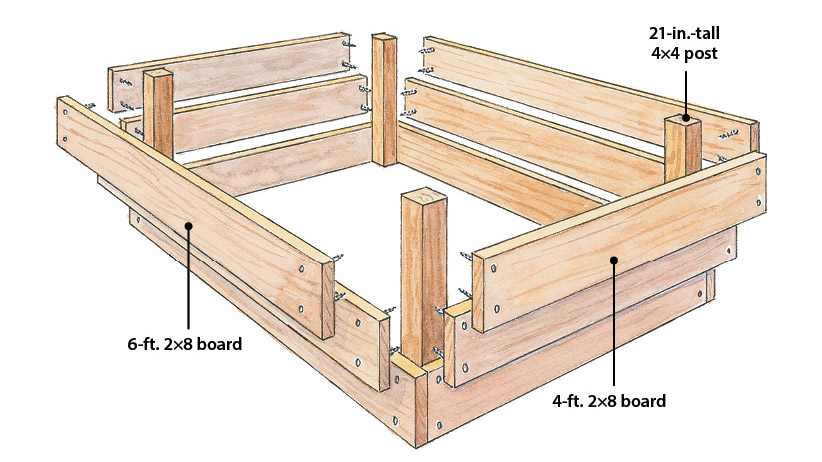
-
Cut boards to size.
-
Secure corners with exterior screws and corner brackets.
-
Level the ground before placing the frame.
-
Optional but smart: Lay hardware cloth underneath to deter burrowing pests.
Place cardboard at the bottom to suppress weeds; it will break down naturally.
Step 4: Fill with Quality Soil
Your harvest depends on your soil. Use a blend of:
-
50% high-quality garden soil
-
30% compost
-
20% aeration (perlite or coarse sand)
Do not use straight topsoil, it compacts too easily.
For Northern Virginia gardeners, mix in compost annually to replenish nutrients. Healthy soil equals higher yields.

Step 5: Plan Your Planting for Maximum Harvest
Use a simple spacing method like square-foot gardening to maximize space. Great beginner crops:
-
Lettuce
-
Cherry tomatoes
-
Peppers
-
Zucchini
-
Basil and parsley
-
Green beans
Tips for abundance:
-
Plant tall crops (like tomatoes) on the north side so they don’t shade others.
-
Succession plant every 2–3 weeks for continuous harvest.
-
Add mulch to retain moisture and reduce weeds.
-
Install drip irrigation for consistent watering.
Pro Tips for a Thriving Garden
-
Water deeply, not daily. Roots grow stronger with consistent, thorough watering.
-
Feed monthly with an organic vegetable fertilizer.
-
Prune tomatoes and harvest herbs frequently to encourage growth.
-
Watch for pests early. Neem oil and hand-picking can prevent bigger problems.
For more design and maintenance tips, check out more topics from FOCUS on NoVA Real Estate.